
On March 12 and 13, 2026, the International Centre for Interdisciplinary Science and Education (ICISE) in Quy Nhon hosted the Investigator Meeting for the LAmB-FAST project. This strategic event marks the launch of a clinical trial aimed at optimizing treatment regimens for Talaromycosis. The project is a key collaborative effort between Pham Ngoc Thach University of Medicine, Duke University (USA), the Hospital for Tropical Diseases (HTD) in HCMC, the National Hospital for Tropical Diseases (NHTD), Bach Mai Hospital, and Viet-Tiep Friendship Hospital.
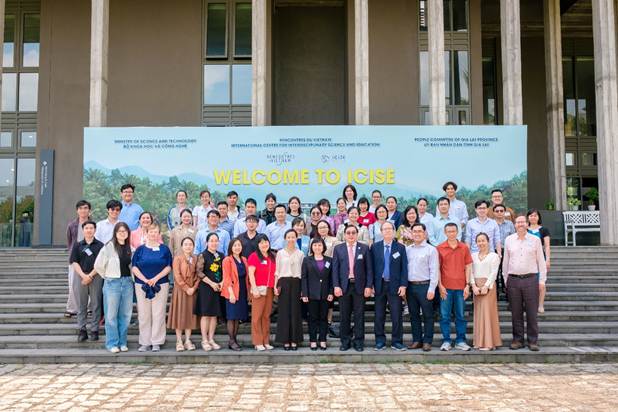
(Figure 1. Opening ceremony of the conference)
With Talaromyces marneffei infections causing over 17,300 new cases and 4,900 deaths annually worldwide, finding high-efficacy, low-toxicity, and cost-effective treatment solutions is an urgent priority for Vietnam and the global medical community. The LAmB-FAST study is a multi-center clinical trial designed to evaluate a novel antifungal regimen. This trial is expected to not only improve real-world treatment outcomes but also provide the scientific evidence needed to standardize national and international treatment guidelines.
The conference gathered over 50 delegates, participating both in person and virtually via Zoom. The attendees included scientists, physicians, and epidemiologists from the Talaromyces marneffei research network, representing major institutions such as HTD HCMC, NHTD, Bach Mai Hospital, Viet-Tiep Hospital, as well as international partners like Siriraj Hospital, Chiang Mai University Hospital, Maharat Nakhon Ratchasima Hospital, and Chiangrai Prachanukroh Hospital. Chaired by Assoc. Prof. Ngo Thi Hoa, Assoc. Prof. Thuy Le, and Assoc. Prof. Vo Trieu Ly, the meeting served as an intensive academic forum. Participants discussed the opportunities and challenges of implementing the study: “Liposomal Amphotericin B and Flucytosine Antifungal Therapy for Talaromyces marneffei (LAmB-FAST),” with the ultimate goal of improving survival rates and reducing the economic burden on patients.
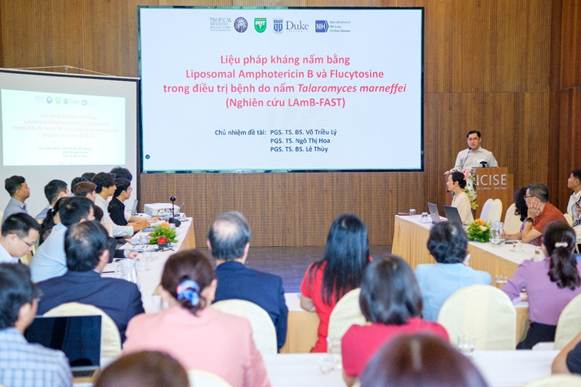
(Figure 2. Assoc. Prof. Vo Trieu Ly presenting an overview of the research protocol)
From the opening session, the atmosphere was highly focused as Assoc. Prof. Vo Trieu Ly and Assoc. Prof. Thuy Le introduced the LAmB-FAST and STOP SHORT protocols. Investigators spent significant time building consensus on Standard Operating Procedures (SOPs), covering topics like: participant screening, recruitment, and follow-up (Dr. Nguyen Thi Cam Binh); specimen collection and testing: (Mr. Dang Hoang Khanh); investigational medicinal product (IMP) management (Ms. Huynh Phuong Thao, PharmD), data management (Mr. Nguyen Thanh Tien).
Notably, presentations on breakthrough diagnostic technologies opened new perspectives for early detection, including: the potential of the Tm-DNA biomarker (Dr. Ho Dac Xuan Minh), evaluating the Mp1p-LFA POCT rapid diagnostic method (Dr. Nguyen Thanh Bình), epitope mapping of Mp1p to develop Tm diagnostic tests based on host immune response (Dr. Dao Tuyet Mai).
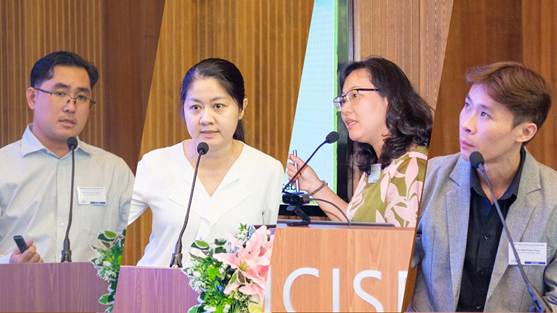
(Figure 3. National Principal Investigators and project management staff presenting research workflows)
Implementation details at specific sites were discussed by the Principal Investigators (PIs): Dr. Doan Thu Tra (Bach Mai Hospital), Dr. Ngo Anh The (Viet-Tiep Hospital), Assoc. Prof. Nguyen Kim Thu (NHTD), and Assoc. Prof. Vo Trieu Ly (HTD HCMC). The close coordination between the Duke University statistics team (Assoc. Prof. Yuliya Lokhnygina), the Data and Safety Monitoring Board (DSMB), and Vietnamese investigators also ensures that the project operates under the strictest international standards for data management and analysis.
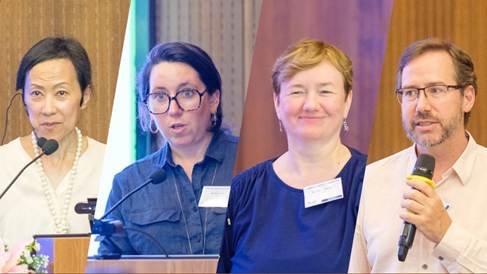
(Figure 4. Investigators from Duke University and international clinical trial experts)
Following the successful sessions in Quy Nhon, the Duke University delegation visited the Hospital for Tropical Diseases in HCMC on March 18-19. They met with satellite units involved in diagnosis and patient referrals to streamline coordination, officially concluding the series of kick-off events and paving the way for the LAmB-FAST study and future research initiatives.
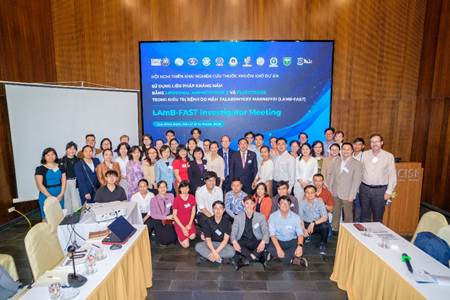
(Figure 5. Closing of the conference)