
On 13 November 2026, the 2nd National Conference on Fungal Diseases in Vietnam was successfully held at the National Hospital for Tropical Diseases (NHTD) in Hanoi. The event was co-organised and co-funded by Pham Ngoc Thach University of Medicine (through the Tropical Medicine Research Center for Talaromycosis, TMRC), Hanoi Medical University and the National Hospital for Tropical Diseases, with scientific support from a network of national and international experts.
Building on the success of the inaugural conference in 2025, this year’s programme took the theme “Hidden Epidemic: Uniting Vietnam Against Fungal Diseases”. As a lead partner in designing the scientific content and connecting global partners, TMRC worked with the co-organisers to build a specialist academic forum. The conference focused on the burden of fungal infections, the bottlenecks in diagnosis and treatment, and opportunities for multicentre research collaboration.
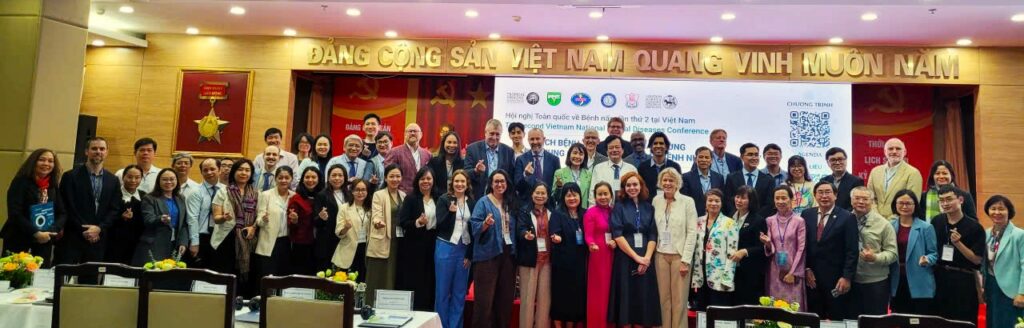
Delegates and experts pose for a group photo at the conference (Photo: Engagement Office, NHTD).
Representing Pham Ngoc Thach University of Medicine were Assoc. Prof. Ngô Quốc Đạt, Rector; Prof. Ngô Minh Xuân, former Rector; Assoc. Prof. Thùy Lê, Co-Principal Investigator of TMRC studies; and Assoc. Prof. Ngô Thị Hoa, Head of the Tropical Medicine Research Center for Talaromycosis (TMRC). Also in attendance were Assoc. Prof. Phan Thị Thu Hương, Vice Rector of Hanoi Medical University, and Dr. Phạm Ngọc Thạch, Director of the National Hospital for Tropical Diseases, together with the hospital’s leadership, doctors and nurses.
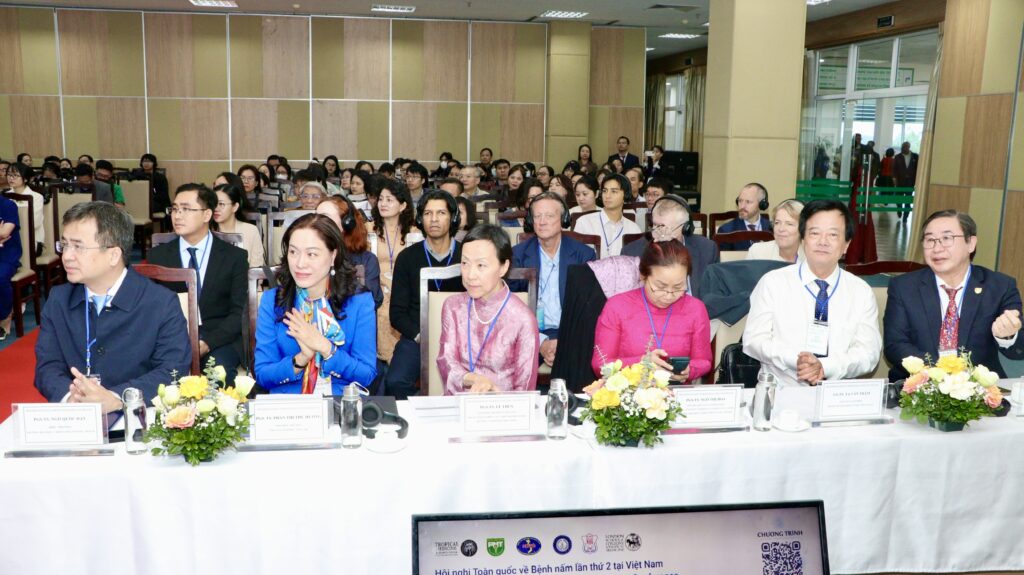
Leaders of the co-organising institutions and TMRC representatives at the opening session (Photo: Engagement Office, NHTD).
This year’s scientific programme featured leading experts from the World Health Organization (WHO), the US Centers for Disease Control and Prevention (US CDC), Duke University and Emory University (USA), the University of Exeter and research institutes in London (UK), Radboud University Medical Center (the Netherlands) and the National Institute for Communicable Diseases (NICD) of South Africa.
From Vietnam, speakers and scientists came from the Medical Services Administration of the Ministry of Health, the National Hospital for Tropical Diseases, Bach Mai Hospital, the Hospital for Tropical Diseases in Ho Chi Minh City, the National Hospital of Dermatology and Venereology, the Blood Transfusion and Hematology Hospital in Ho Chi Minh City, Hanoi Medical University, Pham Ngoc Thach University of Medicine and Hanoi University of Pharmacy.
Challenges and advances in diagnosing and treating fungal diseases
Fungal infections, particularly invasive fungal infections, pose major challenges in clinical practice. This is especially true for patients who are immunocompromised, in intensive care or living with complex underlying conditions. Throughout the programme, speakers examined early detection, wider access to diagnostic testing, optimised treatment regimens and the control of antifungal resistance from both epidemiological and clinical perspectives.
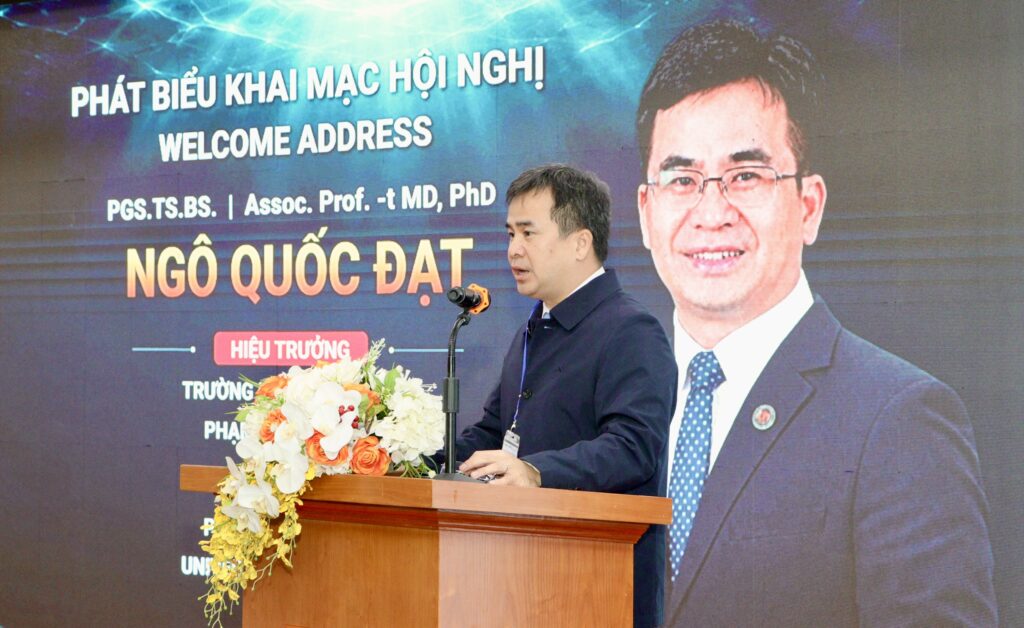
Assoc. Prof. Ngô Quốc Đạt, Rector of Pham Ngoc Thach University of Medicine, delivers the welcome address (Photo: Engagement Office, NHTD).
The scientific programme opened with two keynote lectures. Dr. Tom Chiller, former Chief of the Mycotic Diseases Branch at the US CDC, set out the risk that fungal diseases pose as a present-day public health threat. Building on this, Dr. Hatim Sati (WHO) presented the global action roadmap for the WHO Fungal Priority Pathogens List and its strategic implications for Southeast Asia.
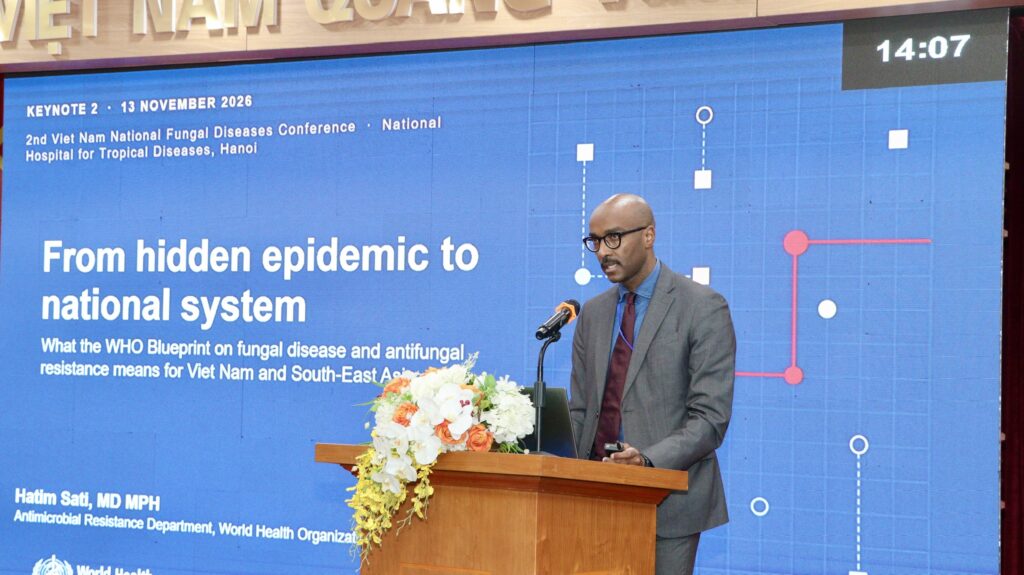
Dr. Hatim Sati (WHO) delivers a keynote lecture on the response to fungal diseases and antifungal resistance (Photo: Engagement Office, NHTD).
The conference’s three plenary sessions covered three pillars: (1) the clinical challenges of invasive fungal disease in Southeast Asia; (2) advances in antifungal diagnosis and treatment; and (3) national and international collaboration to strengthen response capacity. Presentations ranged from dangerous fungal pathogens such as Aspergillus, Candida, Cryptococcus, Talaromyces, Histoplasma and the Mucorales to the spread of drug-resistant dermatophytosis.
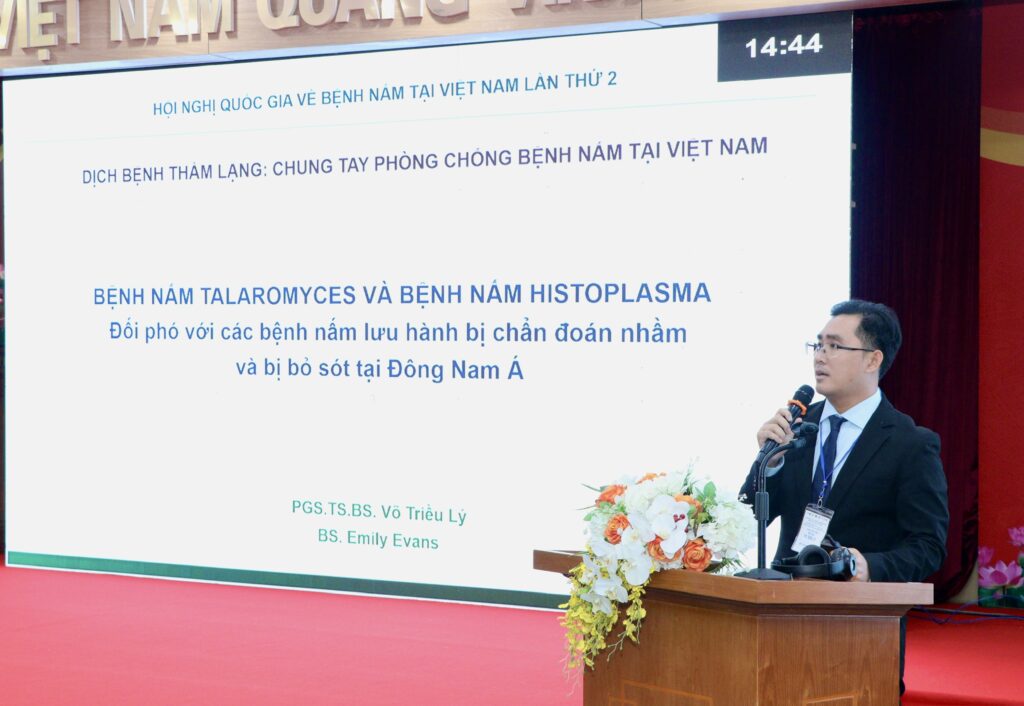
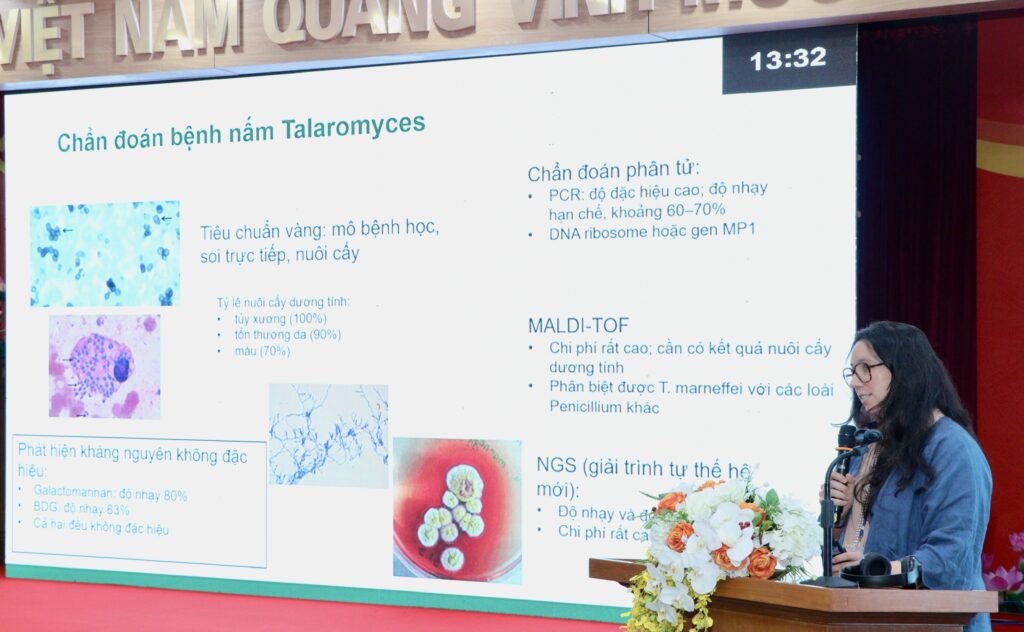
Assoc. Prof. Dr. Võ Triều Lý and Dr. Emily Evans present on the diagnosis and treatment of talaromycosis and histoplasmosis in Southeast Asia (Photo: Engagement Office, NHTD).
In-depth presentations also reviewed new technologies and approaches, including non-culture-based diagnostics, antifungal susceptibility testing, next-generation antifungal agents in development, and antifungal stewardship strategies. Speakers shared experience of managing fungal diseases in intensive care units (ICUs) and in haematology–oncology, linking academic research closely to the practical treatment needs of Vietnam.
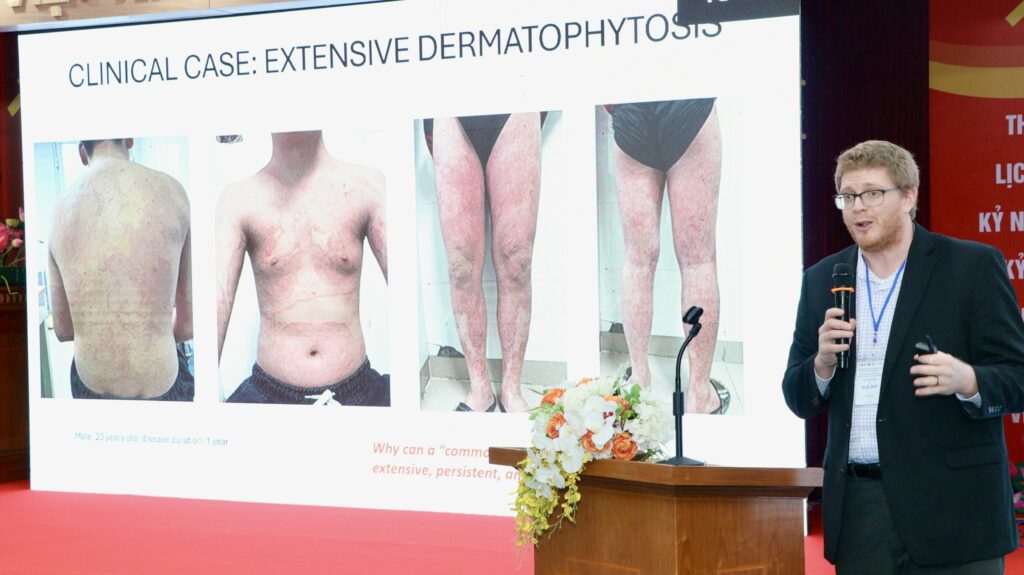
Dr. Dallas Smith (US CDC) discusses a clinical case and the challenges of managing dermatophytosis (Photo: Engagement Office, NHTD).
Alongside the plenary sessions, a Flash Talks session presented 10 new studies on epidemiology, microbiology, drug resistance and treatment optimisation. The short format gave early-career researchers an open forum to share their findings and receive direct feedback from leading experts. A multidisciplinary roundtable also brought clinicians, laboratory specialists, pharmacists and health managers together to discuss standardising diagnostic procedures and establishing a clinical trials network in Vietnam.
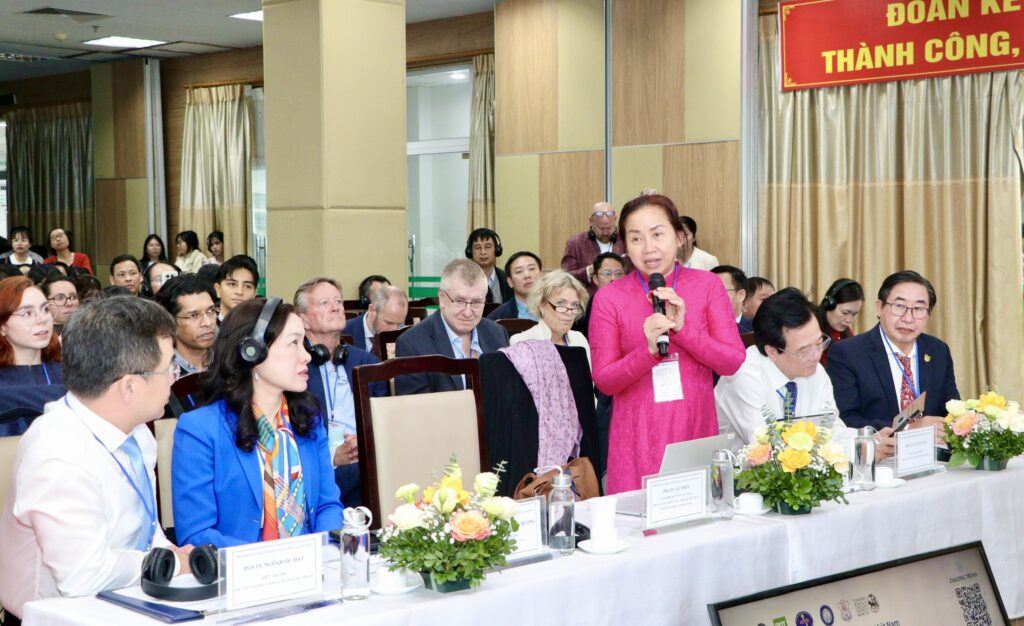
Assoc. Prof. Ngô Thị Hoa (Head of TMRC) joins experts and delegates in a lively panel discussion (Photo: Engagement Office, NHTD).
Looking ahead to the future
The 2nd National Conference on Fungal Diseases in Vietnam delivered valuable scientific updates and demonstrated the strength of multidisciplinary collaboration between universities, frontline hospitals and international health organisations.
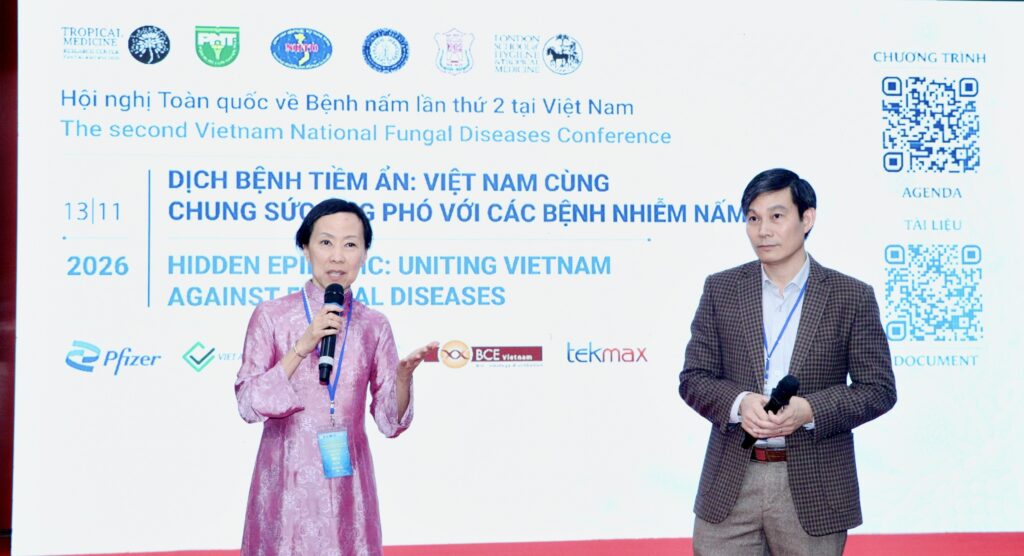
Assoc. Prof. Thùy Lê (Co-Principal Investigator of TMRC studies) and Dr. Vũ Đình Phú (Deputy Director, National Hospital for Tropical Diseases) deliver the closing remarks (Photo: Engagement Office, NHTD).
The experience and issues discussed will help set priorities for training, research and capacity-building in the diagnosis and treatment of fungal diseases. Sustaining the existing collaborative networks will continue to support knowledge exchange, build professional capacity and bring research advances into clinical practice suited to Vietnamese settings.
Following the 2025 and 2026 meetings, the conference is expected to become a regular scientific forum that strengthens professional collaboration, improves the quality of research and patient care, and helps reduce the burden of fungal infections in Vietnam.